
The Prepared Environment: Why Every Detail Matters
_“The first aim of the prepared environment is, as far as it is possible, to render the growing child independent of the adult.”_ - Dr. Maria Montessori
When you first step into an authentic Montessori environment, you might be struck by its sense of peace and order. You won’t see rows of desks or a teacher’s station at the front of the room. Instead, you will discover a child-sized world, meticulously arranged to invite exploration and discovery. This is the “prepared environment,” and it is one of the most important and foundational elements of a true Montessori education. It is not merely a classroom; it is a nurturing space that acts as a third guide, supporting your child’s development at every turn.
The Environment as the Third Teacher
Dr. Maria Montessori observed that children learn best from their own experiences within an environment thoughtfully prepared to meet their developmental needs. The prepared environment is designed to facilitate maximum independence and exploration. Every detail, from the furniture to the learning materials, is chosen with a specific purpose in mind. This allows the child to move freely, choose their own work, and engage in deep concentration without unnecessary interruption. The role of the adult guide is not to be the sole source of information, but to carefully prepare and maintain this environment, and to connect the child to it.
Key Elements of the Prepared Environment
An authentic Montessori prepared environment has several key characteristics that work together to create a cohesive and supportive learning experience for the child.
Child-Sized Furniture and Tools
One of the most noticeable features is that everything is scaled to the child’s size. Low shelves, small tables and chairs, and child-sized tools for practical life activities (like pouring, scooping, and cleaning) are all standard. This accessibility empowers children, sending a clear message: “This space belongs to you. You are capable and you are respected.” When children can easily reach materials and care for their own environment, they develop a profound sense of independence and self-confidence.
Beauty, Order, and Natural Materials
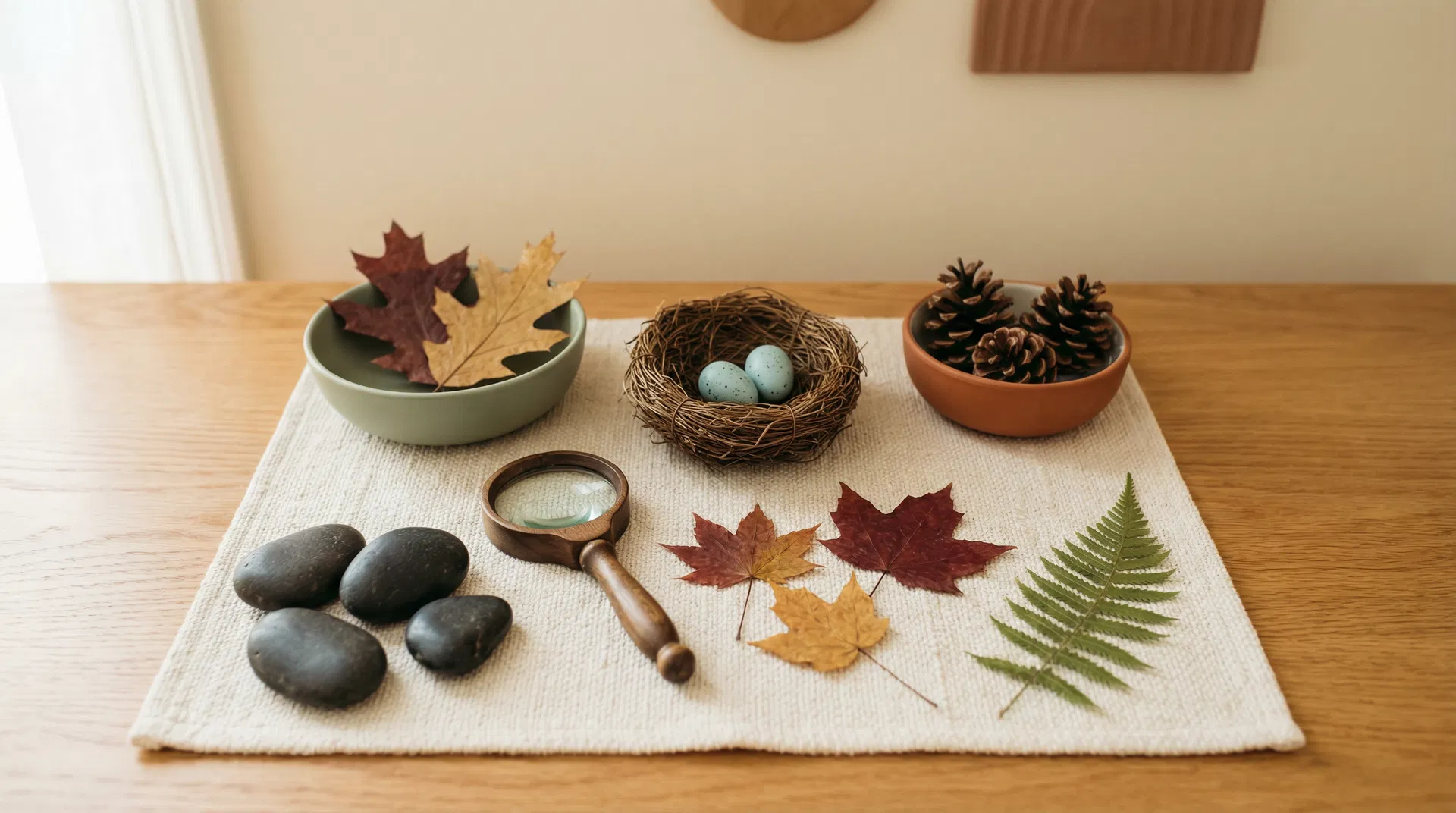
The Montessori environment is intentionally beautiful and orderly. Dr. Montessori believed that children have a natural sensitivity to beauty and order, and that a calm, uncluttered space helps them to develop a calm, uncluttered mind. You will find materials displayed on open shelves in a specific sequence, not jumbled in toy bins. The materials themselves are typically made from natural materials like wood, glass, and metal, which are more interesting to the senses and teach children to handle items with care and respect. This external order helps the child to create internal order, which is the foundation for concentration.
Freedom Within Limits
The prepared environment is the perfect embodiment of the Montessori principle of “freedom within limits.” The child is free to choose any material from the shelves that they have been shown how to use. They are free to work for as long as they are interested, and they are free to move about the room. The limits are the natural consequences of the environment itself: there is only one of each material, so children learn to wait their turn; materials must be returned to their proper place, so children learn responsibility. This structure provides security while allowing for a great deal of individual freedom.
The Guide’s Role in the Prepared Environment
The prepared environment does not function on its own. The Montessori guide is the dynamic link between the child and the environment. The guide’s primary role is to observe the children, to know their individual needs and interests, and to prepare the environment accordingly. They present materials to the children, demonstrate how to use them, and then step back to allow the child to explore and learn on their own. The guide is a meticulous caretaker of the environment, ensuring that it is always clean, orderly, and ready for the children’s work.
Montessori at Home: A Small Tip
You can apply the principles of the prepared environment in your own home. Start with one small area, perhaps in your child’s bedroom or the kitchen. Set up a low shelf with a few carefully chosen activities. Rotate the activities every week or two to maintain your child’s interest. Having a designated place for their things and showing them how to put them away will help to bring a sense of order and independence into your home.
Discover the Difference for Yourself
The prepared environment is a cornerstone of authentic Montessori education, a place where children can develop their concentration, independence, and love of learning. We invite you to see it for yourself. To truly understand the power of a space designed for the child, we encourage you to schedule a tour of our school. Come and observe our prepared environments and see how they can support your child’s incredible journey of growth and discovery.
Book a Tour at Lions Gate Montessori / Petite Girafe Montessori Academy
See Montessori in Action
The best way to understand authentic Montessori education is to experience it firsthand. Book a tour and visit our prepared environments.
BOOK A TOUR