
Neurodiversity and Montessori: A Natural Partnership
Discover how the Montessori method provides a supportive, inclusive framework for neurodiverse children, from those with ADHD to other unique learners, to thrive at their own pace.
Embracing Every Learner: The Montessori Approach to Neurodiversity
In a world that is increasingly recognizing the beautiful spectrum of the human mind, the term “neurodiversity” has entered our collective vocabulary. It’s a simple yet profound idea: that brain differences are normal, not deficits. At Lions Gate Montessori and Petite Girafe Montessori Academy, this is a truth we have always held at the core of our philosophy. Dr. Maria Montessori’s groundbreaking approach to education, developed over a century ago, is inherently designed to meet each child exactly where they are, making it a natural and powerful framework for supporting neurodiverse learners.
For parents of children who may be on the autism spectrum, have ADHD, or possess other unique learning profiles, the search for the right educational environment can be daunting. The traditional classroom model, with its standardized pacing and uniform expectations, often fails to accommodate the very differences that make these children exceptional. The Montessori environment, however, offers a refreshing and effective alternative. It is a space where a child’s individual developmental path is not just respected, but revered.
The Prepared Environment: A World of Order and Opportunity
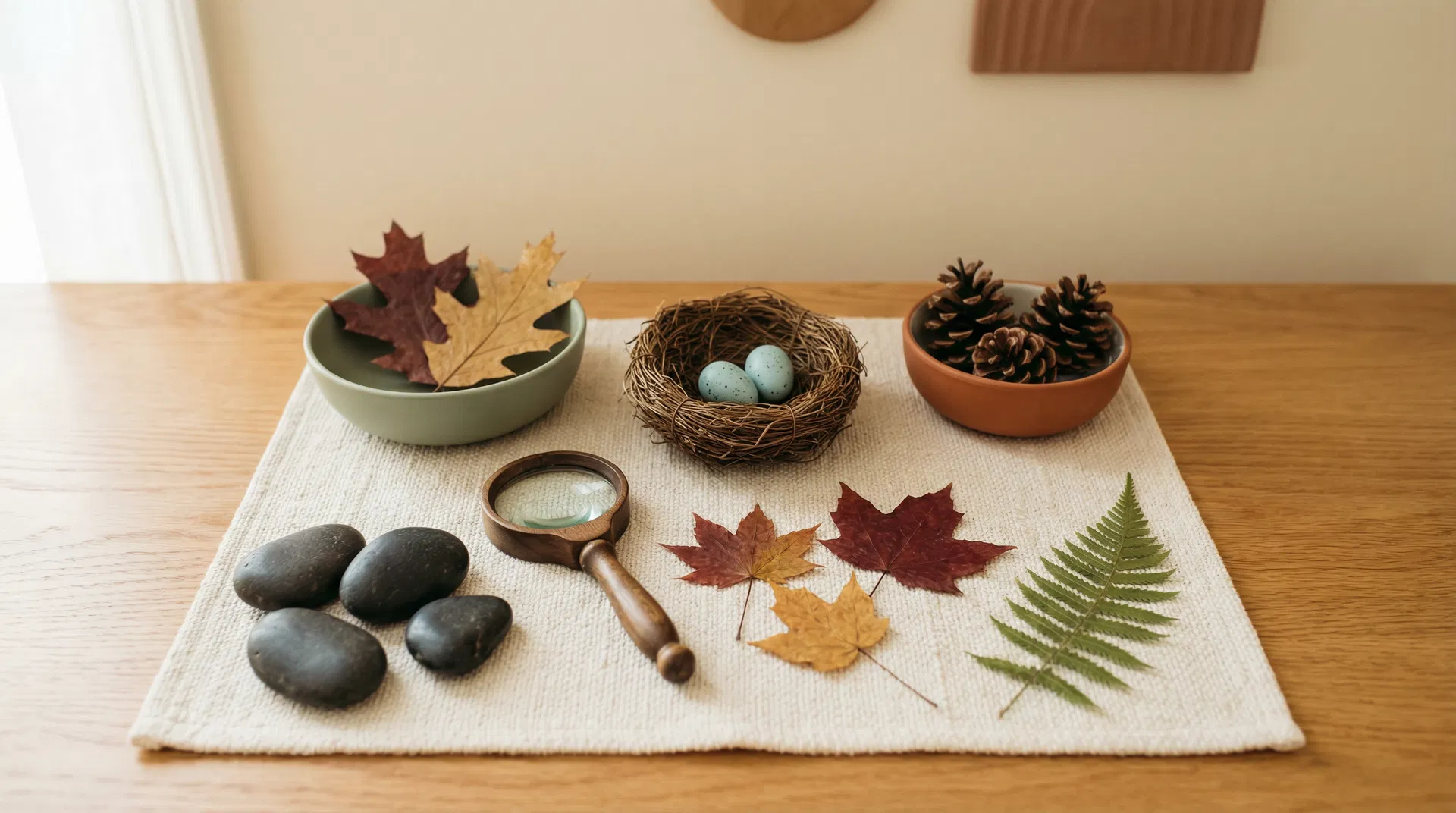
A cornerstone of Montessori education is the prepared environment. This is not simply a classroom, but a carefully curated space designed to foster independence, concentration, and a love of learning. For a neurodiverse child, this predictability and order can be profoundly calming and organizing. Every material has a specific place on the shelf, and there is a clear, logical flow to the room. This external order helps the child develop internal order, reducing anxiety and freeing their cognitive resources to engage in meaningful work.
Within this environment, children are given freedom within limits. They can choose their work, move freely around the room, and decide whether to work alone or with a peer. This autonomy is particularly beneficial for a child with ADHD, for whom the ability to move their body and follow their interests is not a distraction, but a necessity for focused learning. The three-hour work cycle allows for deep concentration without the constant interruption of bells or externally imposed transitions, enabling a child to follow a "sensitive period" for a particular skill to its natural conclusion.
Individualized Pacing and Sensory-Rich Work
Dr. Montessori observed that children learn best through hands-on, purposeful activity. Our materials are not toys, but scientific tools for learning. The sensorial materials, for example, isolate one quality—such as colour, weight, or texture—allowing the child to refine their senses in a concrete, orderly way. This can be incredibly grounding for children with sensory processing differences.
Each piece of Montessori material also contains a control of error, meaning the child can self-correct without adult intervention. This builds self-esteem and resilience, as the child becomes the driver of their own learning. A guide, or directress, observes each child’s progress and presents new work when they are ready, ensuring the level of challenge is always just right. This individualized pacing prevents the frustration that can arise when a child is pushed too fast or held back by the group’s pace.
A Collaborative and Inclusive Community
We believe in a holistic approach to every child’s development. Our guides are not just educators; they are keen observers of children. We recognize the immense value of cross-disciplinary collaboration and work closely with Occupational Therapists (OTs), Speech-Language Pathologists, and Behaviour Interventionists to ensure a consistent and supportive approach for our students. This partnership allows us to integrate specific strategies and supports seamlessly into the child’s day within the prepared environment, honouring their needs while fostering their inclusion in the community.
Lessons in grace and courtesy are woven into the fabric of our daily life, teaching children how to interact with one another respectfully and empathetically. This focus on social-emotional learning helps all children, and particularly neurodiverse learners, navigate social dynamics with confidence.
Montessori at Home: Fostering Focus
You can apply the principle of the prepared environment at home. Create a designated, uncluttered space for your child’s belongings and activities. Use low shelves and clear bins to make toys and materials visible and accessible. A simple, orderly environment at home can help reduce overstimulation and support your child’s ability to focus on one activity at a time.
At Lions Gate and Petite Girafe, we are committed to creating a truly inclusive community where every child feels seen, valued, and empowered to reach their full potential. Our adherence to authentic AMI Montessori principles provides a time-tested foundation for nurturing the diverse minds of the next generation.
We invite you to see the magic of Montessori for yourself. Book a tour of our Vancouver or Surrey campus to learn more about how we can support your child’s unique journey.
See Montessori in Action
The best way to understand authentic Montessori education is to experience it firsthand. Book a tour and visit our prepared environments.
BOOK A TOUR